
Starship Flight 12: A Solid Step Forward for SpaceX
By: Stephen Pallotta


SpaceX launched Starship Flight 12 on May 22 from the new Pad 2 at Starbase in Texas. It marked the debut of the Version 3 hardware, Booster 19 and Ship 39, both powered by the more powerful Raptor 3 engines. The flight delivered a lot of what the team was looking for.
The booster lit all 33 engines cleanly and handled hot staging well. It lost one engine early but kept climbing. The ship also lost a vacuum Raptor during its burn yet still reached the planned suborbital path, showing good engine-out performance. It deployed a set of Starlink simulators, including a couple with cameras that gave the first clear external views of Starship in space and during reentry. The heat shield held up nicely through peak heating, and the ship came down right on target in the Indian Ocean after a clean flip and landing burn.
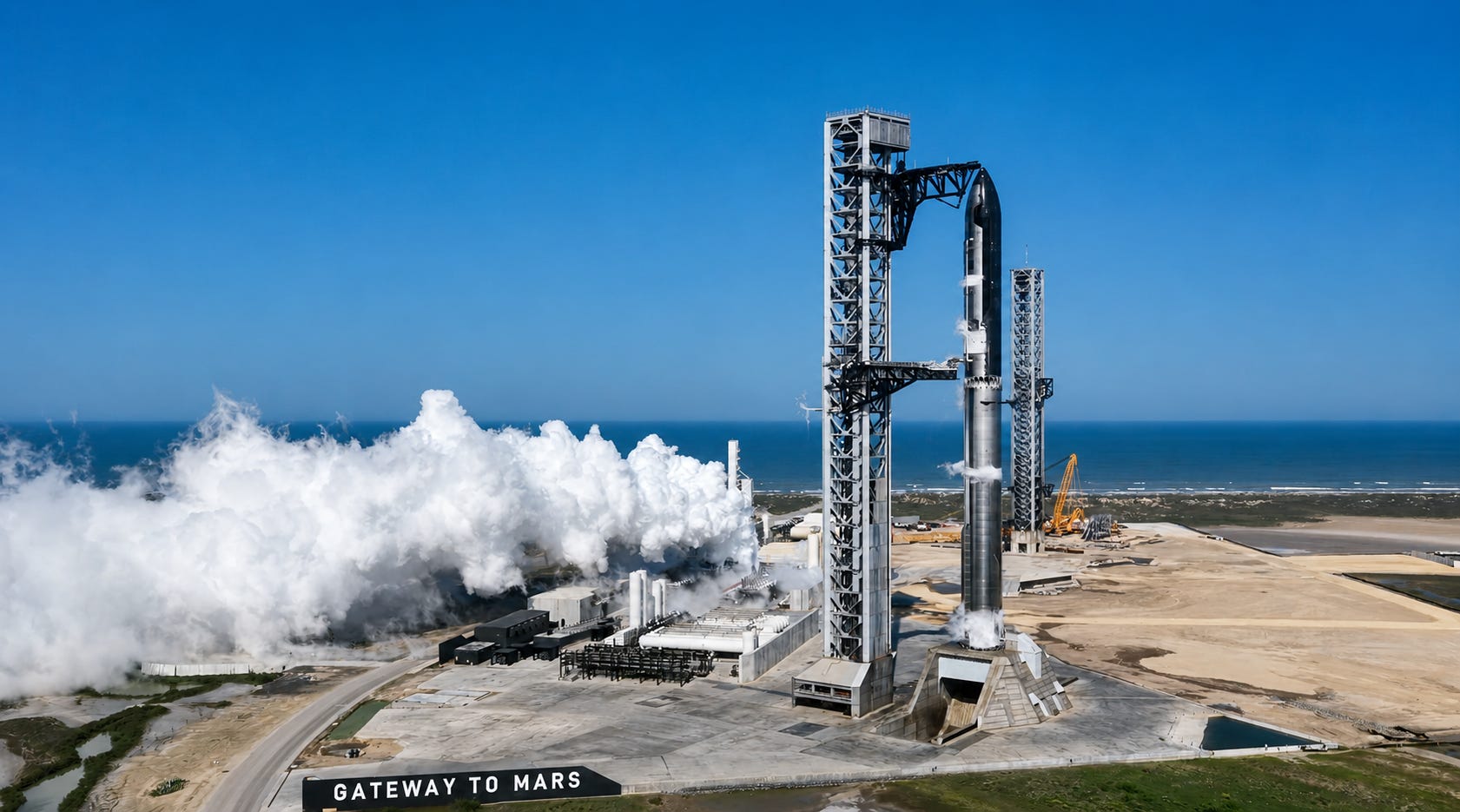
The booster’s boostback burn didn’t go as planned, so it ended in a hard splashdown in the Gulf. That part was messy, but these test flights are built to find those issues. Overall the mission gave SpaceX valuable data on the new design while proving the upgraded ship can handle problems and still complete its objectives.
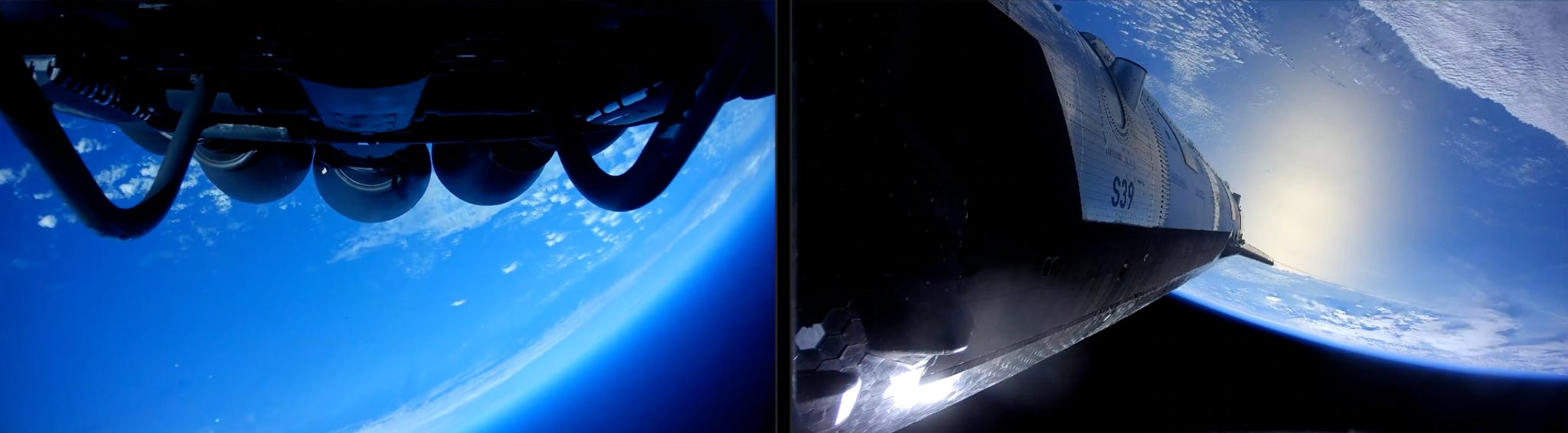
This flight mattered because it moved Starship from the previous version straight into the hardware that’s meant for rapid reuse. V3 is simpler, more powerful, and designed to fly often with minimal turnaround. Getting it off the pad successfully, especially from the new launch facility, puts the program on firmer ground for the next set of goals.
Looking ahead, SpaceX is already preparing Flight 13. The near term focus is catching the booster with the tower arms, which would mark a big leap toward true reusability. They also want to demonstrate in-orbit refueling, fly more reliable orbital missions, and ramp up the cadence of launches. These steps are what will open the door to higher flight rates, support for Artemis lunar landings, and eventually uncrewed missions toward Mars.
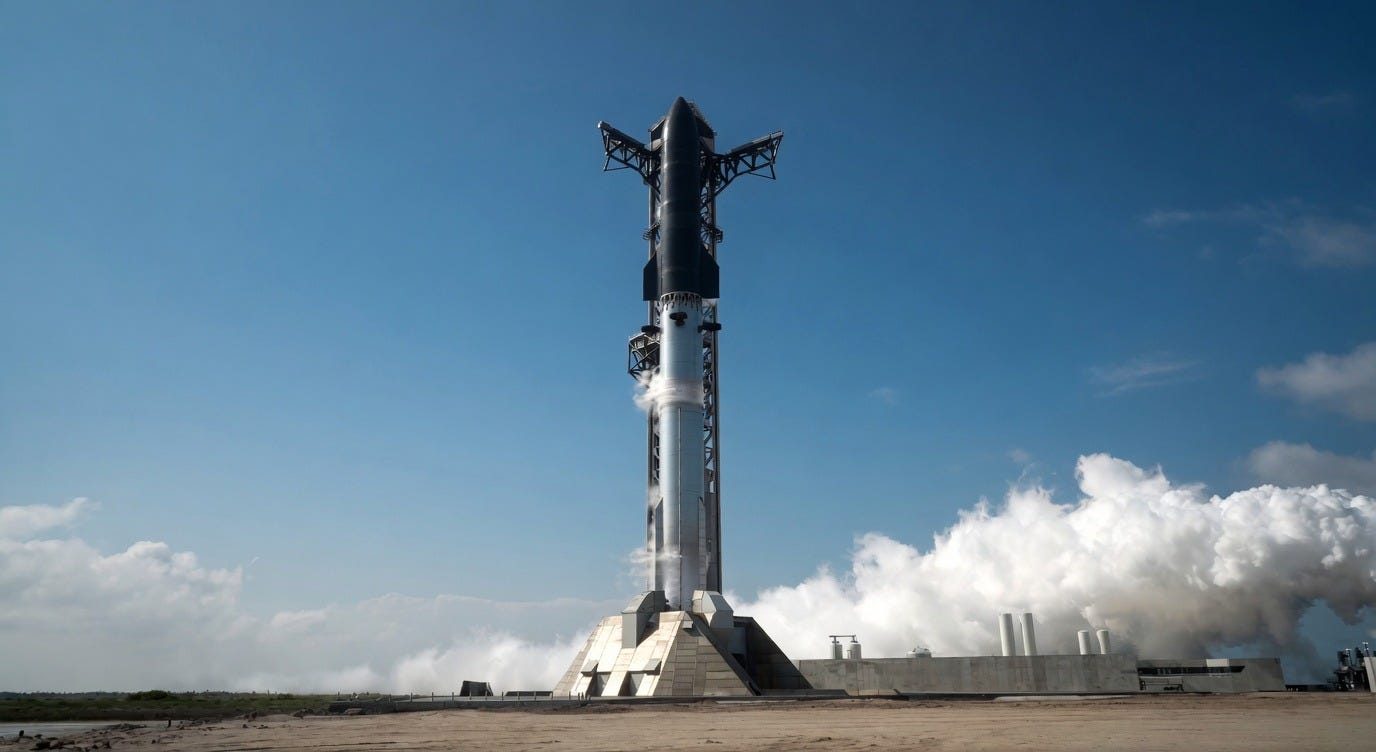
Flight 12 was not flashy in every respect, but it was productive. The team turned a new vehicle and new pad into useful flight data in one go. That steady progress is exactly how SpaceX has always closed the gap between ambitious plans and real hardware. The next several flights should build directly on what they learned here.
In the bigger picture, flights like this are quietly shifting the economics and practicality of spaceflight. Starship is proving that a fully reusable vehicle can carry massive payloads at a fraction of today’s costs, which changes what becomes possible once the hardware matures and flies frequently. It moves the industry away from single use rockets and toward something closer to airline style operations, opening the door for larger satellite networks, more ambitious science missions, and steady supply runs to future outposts.
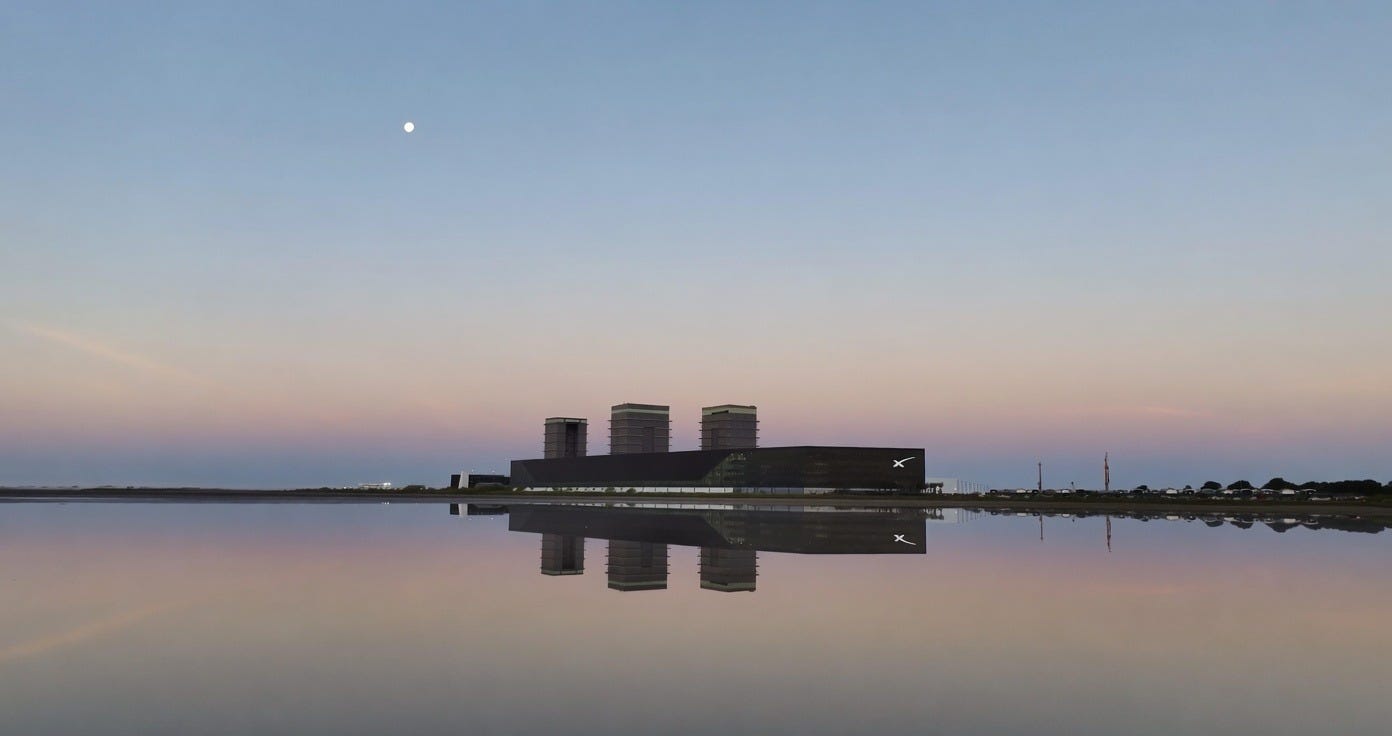
Zoomed out even further, this kind of progress brings SpaceX’s long-term vision into clearer focus. Reliable Starship operations will make sustained human activity on the Moon and Mars far more achievable by cutting the expense and risk of getting there. It is one more tangible sign that space is becoming a place where people can live and work, not just visit briefly. The company’s methodical testing is turning that future from a distant goal into a practical, step-by-step reality.
Congratulations on a successful launch after all of those delays. I am glad that the mission is one step close to the Moon or Mars. You got some valuable data for Flight 13. I am glad you got the retractable arms to work again.