
Tesla Optimus: Advancing Humanoid Robotics Toward Mass Adoption in 2026
By: Stephen Pallotta

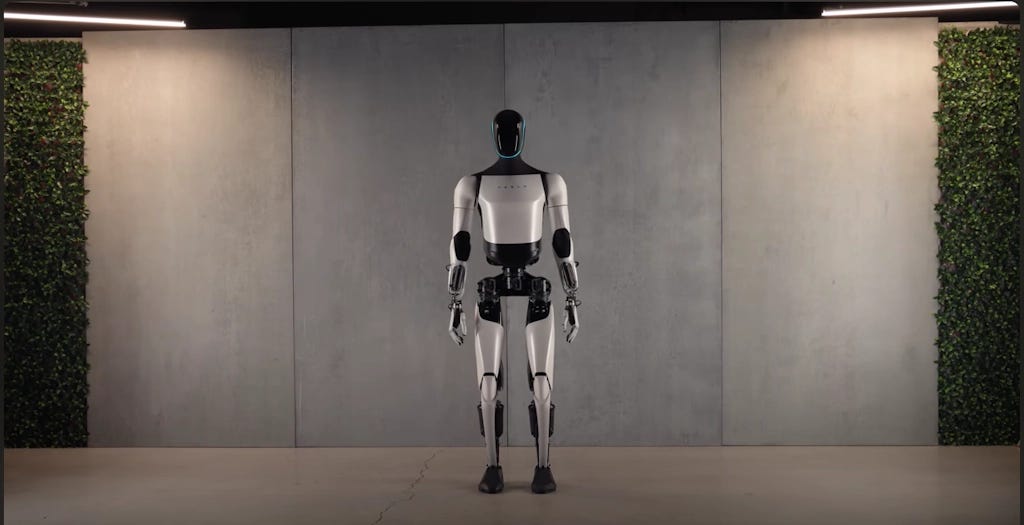
As of early 2026, Tesla’s Optimus humanoid robot is entering a pivotal phase with the imminent unveiling of its Gen 3 production-intent prototype. This version features major upgrades, most notably a new hand design boasting 25 actuators per hand (50 total) for sub-millimeter precision and superhuman dexterity in repetitive industrial tasks. Built on Tesla’s end-to-end neural networks, refined through millions of miles of real-world autonomous driving data, Optimus learns new skills rapidly by observing human demonstrations, video examples, or verbal instructions. Internal factory deployments are already underway for battery sorting and parts handling, with full pilot production lines scheduled at the Fremont facility (repurposed from Model S and X lines) before the end of the year. Long-term targets include annual output of up to one million units, with a consumer-friendly price point of $20,000–$30,000.
This accelerated timeline and vertical integration reflect Tesla’s manufacturing DNA, honed across electric vehicles and energy products. The result is a versatile, general-purpose platform poised for both factory floors and eventual household use, potentially caring for the elderly or assisting in daily chores while driving significant economic impact through scalable labor augmentation.
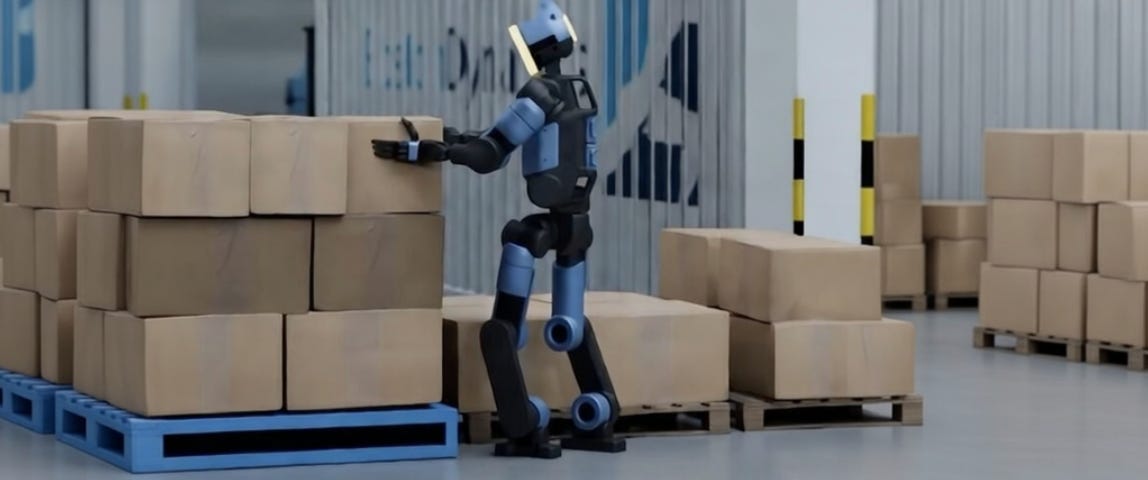
In the competitive humanoid landscape, Hyundai’s Atlas (developed by Boston Dynamics) and Figure AI’s Figure 03 offer compelling alternatives, yet each emphasizes different strengths. Unveiled at CES 2026, the fully electric Atlas prioritizes raw industrial power and agility. Standing 1.9 meters tall with a 50 kg payload capacity, 56 degrees of freedom, and fully rotational joints, it excels at heavy material handling, order fulfillment, and dynamic movements such as self-recovery and acrobatics. Its water resistant design is capable of autonomous battery swaps, and can pair with Google DeepMind AI integration for cognitive enhancements. Production is ramping immediately in Boston, with initial 2026 deployments at Hyundai plants and DeepMind, scaling toward 30,000 units annually at a new Korean facility. Deployments in Hyundai’s Georgia Metaplant begin in 2028 for parts sequencing.
Atlas’s superior payload and proven mobility make it ideal for demanding, high-volume factory environments where strength and balance are paramount. Its enterprise focus, however, suggests higher initial costs and a narrower initial rollout compared to more consumer-oriented ambitions.
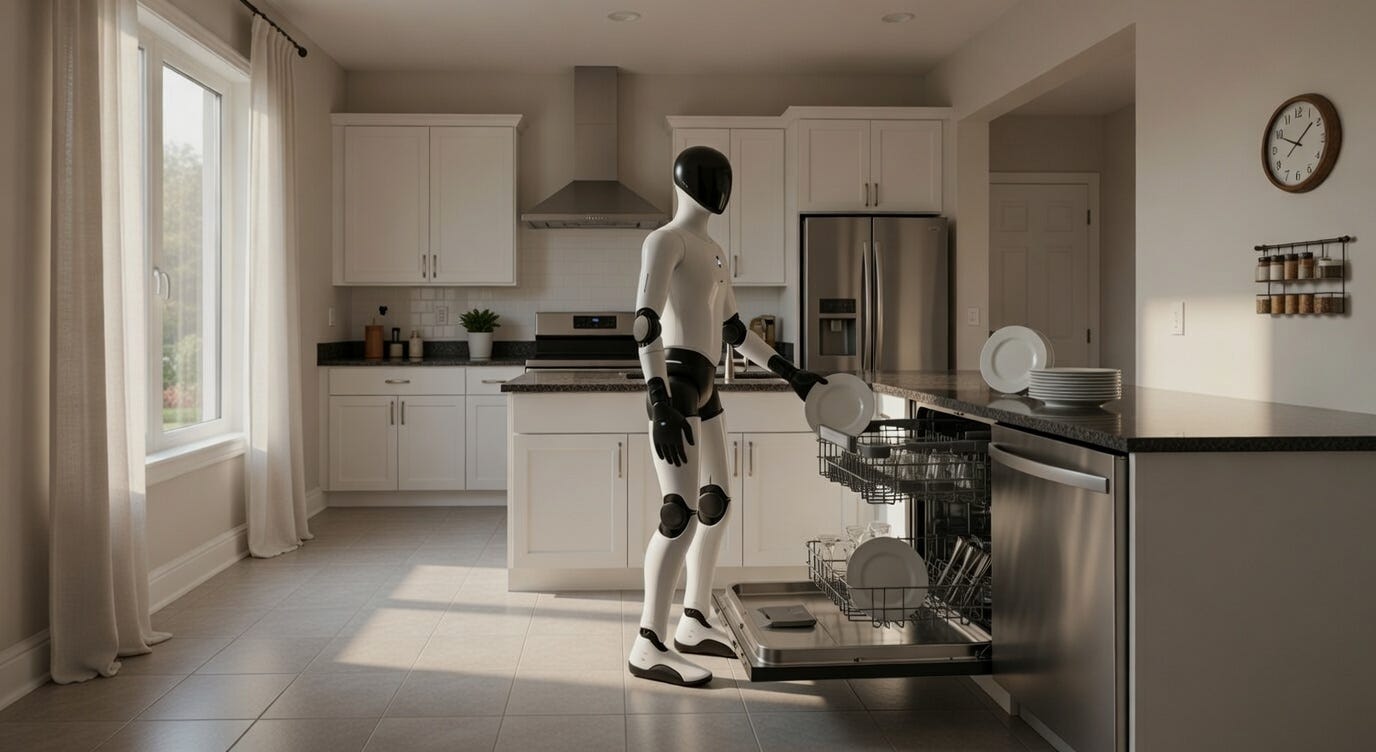
Figure AI’s Figure 03, meanwhile, targets everyday adaptability. Powered by the Helix AI system, it demonstrates full-body autonomy in unstructured settings like autonomously unloading dishwashers, folding laundry, or navigating unpredictable spaces over long horizons. Recent BMW pilots (building on 2025 successes with Figure 02) have validated its precision in automotive production, with European battery-plant testing underway. Roughly 1.7 meters tall with strong tactile sensing and vision-language-action capabilities, Figure 03 emphasizes safety and human-like task execution in variable environments.
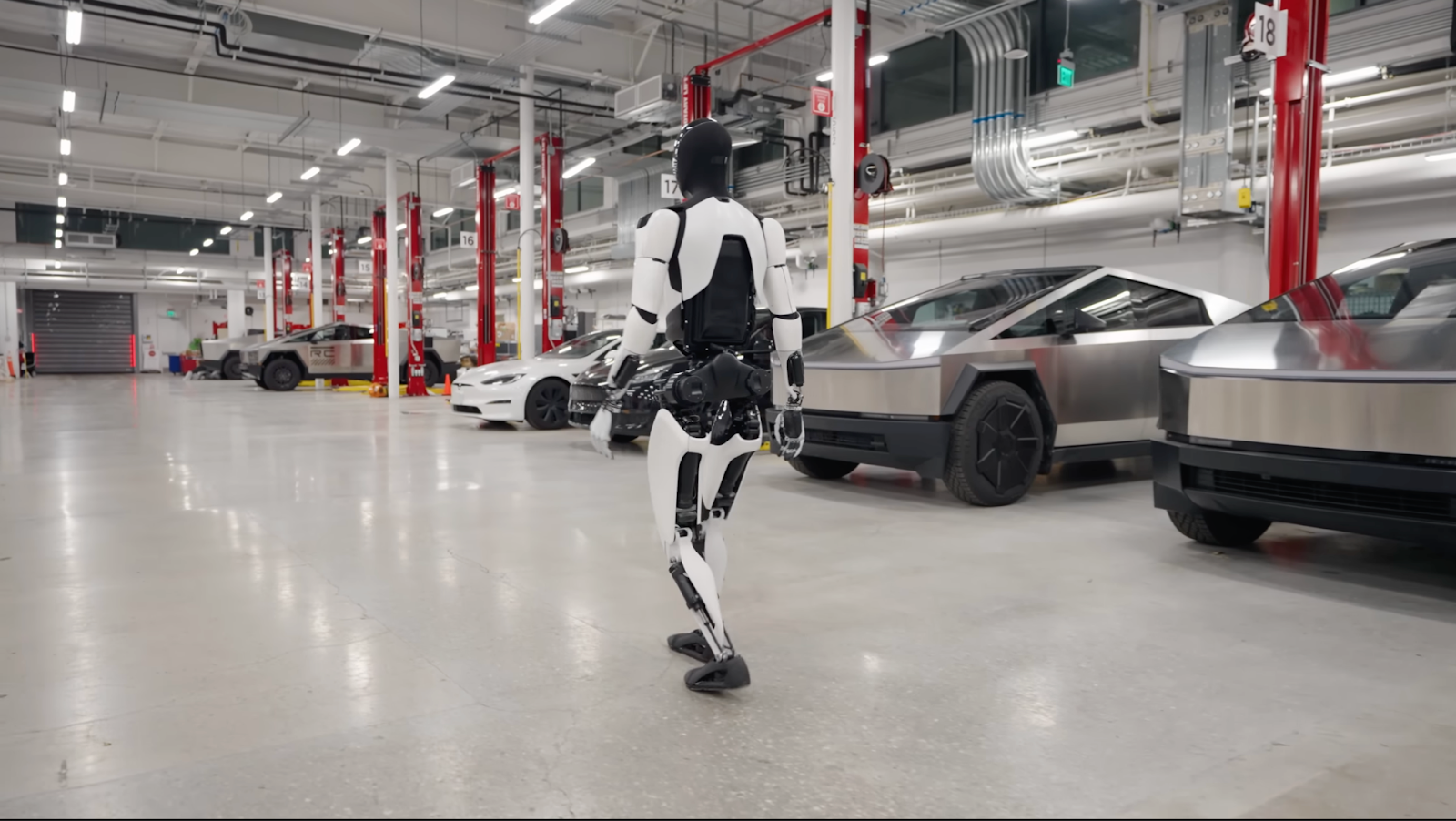
Where Atlas leads in industrial muscle and Figure 03 in domestic fluidity, Optimus differentiates through its data-driven learning architecture and Tesla’s proven ability to scale complex technology affordably. The same neural-net approach that powers millions of vehicles enables Optimus to generalize tasks across domains faster, while gigafactory expertise promises the volume and cost efficiency needed for widespread adoption. Competitors deliver impressive specialized performance today; but Optimus is engineered for the long game by being versatile, affordable, and ready to amplify human productivity at unprecedented scale. By late 2026 and into 2027, this balanced foundation positions Tesla’s creation not just as a capable robot, but as the platform most likely to integrate seamlessly into factories, homes, and beyond, quietly reshaping the future of work.